
geolocation

How to Change your Geolocation in Chrome

Internet users using mobile phones and computers may have noticed a strange phenomenon when checking messages. Although you’ve never granted a site or app access to your location, your computer and phone can always target you with ads or weather reports based on where you are right now.

For example, when you go from point A to point B, the network sends you ads from point B; When you return from point B to point A, the AD you see changes back to its original form.geolocation
When you use Google, do you notice your location at the bottom of the search page?

Many people believe that geolocation information belongs to personal sensitive information and has privacy property. Some websites and software obtain the aforementioned information without permission and push advertisements according to the obtained information, which infringes on their privacy and personal information. In this article, you will learn how to change your Geolocation in Chrome.


What is geolocation?

Geolocation is a set of development APIs proposed in HTML5 that combine current location methods to obtain the location of the user’s browser on the device. Geolocation is more accurate for devices that have GPS, such as iPhones.

  • What is an API?

In terms of the ownership of an API, the interface of an API is sort of a counter thing where the interaction is done. We all know that in a bank, the front desk and the back desk can interact at the counter and neither side can cross the line. It greatly saves the burden of developers and improves efficiency.

The process of acquiring geolocation

  1. The user opens the Web application whose location needs to be obtained.
  2. The application requests the location to the browser, and the browser pops up a query window asking whether the user shares the location.
  3. If the user permits, the browser queries related information from the device.
  4. The browser sends the relevant information to a trusted location server, which returns the specific geographic location.

What is the difference between geolocation and geocoding?

Many users are not aware of the difference between geolocation and geocoding and regard them as the same thing, or even misused. And this is actually quite understandable because these are all terms for space.

In fact, Geocoding is a coding method based on spatial location technology. It provides a way to convert geographic location information described as addresses into geographic coordinates that can be used in GIS (Geographic Information System).

Geocoding is a computational process that translates specific physical addresses into numeric coordinates.


How does geolocation get your information?

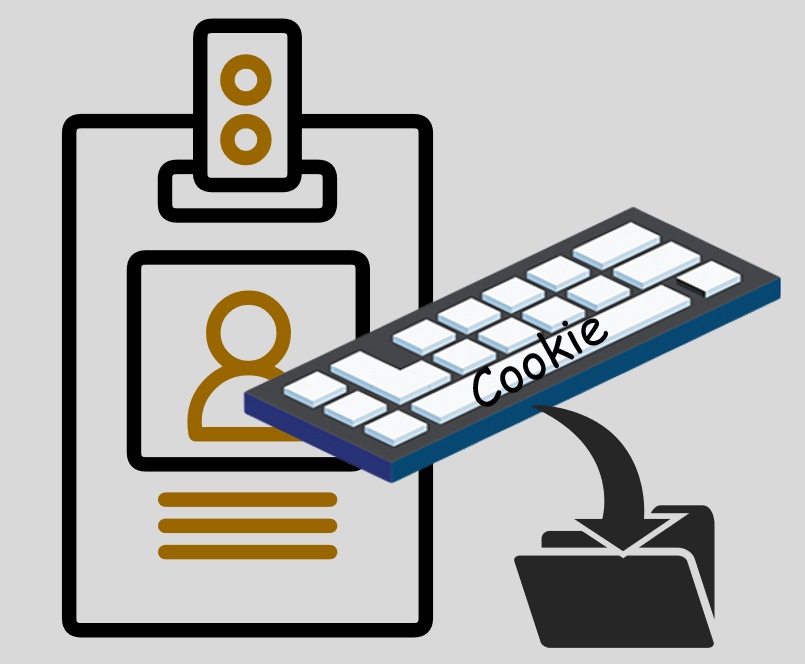
1) Cookie

Cookies not only reveal what you like, they may also reveal where you are.

If it detects that the device is not connected to the Internet, sometimes the browser will retrieve location information from the cache, but the location information from the cache is the location information obtained when the device was last connected to the Internet.cookies give you away
2) IP address

If WIFI is not enabled on your phone, desktop, or tablet, the Geolocation API will try to find your location using your public IP or tower ID or GPS. Public IP databases usually return a presence point or POP of your network provider.

In addition, some network providers provide rotating IP addresses. So try using one IP address over a period of time and you’ll get different results. So public IP is only good for locating you in a city, or in a region of the city, or in a country.

3) Phone tower IDS

With tower IDS, it depends on which phone you use and the provider. Some smartphones will only return to the phone tower where the phone is currently located, so this can be inaccurate.

Which location service is used by the browser?

Not all Geolocation services are the same and do not necessarily use the same algorithm or even a database. Because of this, location information obtained through the browser may vary depending on the location service used.

Here is a list of some of the location services used by browsers. Although I didn’t test it, in my experience, different browsers, different devices including smartphones, pads, and even the same location return different location information. Some location-based services are more accurate in some cities, and some location-based services are more accurate in others.

Firefox uses Google Location Services on Windows.

Firefox on Linux uses GPSD.

IE9+ uses Microsoft Location Service.

Safari browser on IOS uses Apple Location Services for iPhone OS3.2 +.

Opera uses Google Location Services. Opera on Android uses GPS.

Which location services does Chrome use?

Chrome uses Google Location Services.

Before accessing location information, the browser will ask the user whether to share their location information. Take Chrome for example, because Chrome uses Google Location service if you allow Chrome to share your location with websites, Chrome sends local network information to Google Location services to estimate where you are. The browser then shares your location with websites that request it.


How do I change geolocation in Chrome?

Manually change your location

Right-click on the Google page and select check. In the DevTools window that pops up, click 3 Dots in the upper right corner. Selecting more tools will open a new TAB area for sensors at the bottom of the Chrome DevTools window. Here, you will overwrite the current location with the location of your choice.

Select an appropriate location from the drop-down menu next to the geolocation label. Once you select a location, the corresponding latitude and longitude values for the selected location are automatically filled in. Alternatively, you can set up custom geolocation by providing your own coordinates.

One way to fake the location is to turn off the GPS feature on your smartphone or tablet, so Chrome can’t access the information. To turn off location sharing in Google Chrome and permanently block this popup, follow these steps:

Click the menu icon on the right of the toolbar. It’s a row of three vertical points. Click Settings, scroll down to Privacy and Security, and then click Site Settings. Find the location. Turn the “Ask before Access” button on. If you want to prohibit a specific site from accessing your location, click on the trash can icon next to the site.

Fake your location

If you want to disguise your location in a convenient way, you may need to resort to external means. Using a proxy or VPN can help.

A Proxy is a network middleman. It stands between you and the destination site, accepts your access requests, sends them to the site on your behalf, and collects information to return to you. While you’re online, you’re never exposed to the Internet, and no one knows where you are.

And generally speaking, the proxy has the function of letting you choose an IP address, you can change your geographical location at will.

Vpn and proxy work in a similar way. When you use a VPN to access the Internet, the VPN is also between you and the network. The VPN gateway encrypts data packets and translates the destination addresses of data packets to achieve remote access. Therefore, compared with proxy, VPN can make information transfer more secure.

A safer alternative to changing your location in Chrome is to use ClonBrowser.ClonBrowser
ClonBrowser is a browser that can protect your security. First, it allows you to create an infinite number of configuration files that you can hide in. Your cookies, caches, and other data are completely isolated and managed independently, and your browser fingerprint is protected so that when outsiders want to access your information, ClonBrowser provides them with information that is irrelevant to you.

At the same time, ClonBrowser also has a very powerful agent integration, which works with many popular agents today, such as 911. Here you can completely change your geographical location! Start your free trial now!


Facebook

La meilleure façon de gérer plusieurs comptes Facebook

Pourquoi vous devez gérer plusieurs comptes Facebook?

Je crois que vous devez avoir un compte Facebook pour voir cet article! Que vous soyez employé d’entreprise ou étudiant, vous partagerez votre vie avec certaines personnes dans votre compte. Ces personnes peuvent être votre famille, vos camarades de classe, vos collègues de travail ou même votre patron. Lorsque vous voulez montrer différents contenus de partage à différentes personnes ou que vous voulez séparer la vie du travail – avoir un seul compte peut créer quelques problèmes.

Un compte FB unique peut également être un inconvénient pour vous qui êtes en affaires. Aujourd’hui, internet est de plus en plus le meilleur moyen de communication avec les clients et le meilleur canal pour la promotion des produits. Un compte Facebook unique crée beaucoup d’incertitude pour les activités commerciales et la promotion des produits.

Non seulement cela, mais si vous:

  • Vous avez oublié votre compte Facebook original?
  • Vous voulez créer un nouveau compte Facebook parce qu’il y a beaucoup de gens que vous ne connaissez pas au sujet du compte original, mais vous êtes trop gêné pour les supprimer?

Si oui, alors vous avez vraiment besoin de plusieurs comptes Facebook!Facebook

Lorsque vous avez déjà beaucoup de comptes Facebook, vous trouverez que la gestion de plusieurs comptes Facebook à la fois peut être fastidieux. Pour le bon fonctionnement et la sécurité de votre compte, vous devrez à nouveau exécuter de nombreux profils.

A propos des profils, nous avons déjà couvert dans un article précédent, vous pouvez cliquer ici pour aller plus loin. La configuration de chaque fichier est complexe. Si vous avez plusieurs comptes Facebook, vous devez configurer l’environnement de votre navigateur. Choisissez l’ip proxy, vérifiez le compte, notez le compte… Répéter l’opération plusieurs fois par jour peut être tellement ennuyeux que vous voulez devenir fou. Faites-le tous les jours et sentez-vous sur le point de devenir un robot.

Pas de panique, cet article vous aidera! Dans cet article, nous allons vous apporter la meilleure et la plus complète façon de gérer plusieurs comptes Facebook! Cet article vous expliquera comment avoir plusieurs comptes Facebook, comment empêcher que plusieurs comptes soient associés les uns aux autres et comment empêcher le blocage des numéros. En outre, il vous fournira les outils de gestion des comptes Facebook les plus pratiques!


Comment avoir un compte Facebook multi-compte?

Avant de pouvoir gérer plusieurs comptes Facebook, vous devez les posséder d’abord. Prenons dix secondes pour voir comment la carte peut s’inscrire à Facebook multi-compte.

1) créez votre premier compte Facebook

Ouvrez n’importe quel navigateur pour rechercher Facebook et trouver le site officiel de Facebook dans les résultats de recherche.

Une fois sur le site officiel, cliquez sur créer un compte. Dans la fenêtre d’inscription qui apparaît, remplissez le nom, les coordonnées (téléphone portable ou e-mail), le mot de passe, la date de naissance et le sexe. Cette information est nécessaire pour créer un compte personnel.

Si vous êtes d’accord avec toutes les politiques et conditions de Facebook, cliquez sur s’inscrire pour accéder à l’authentification personnelle. Comme il s’agit de vérifier l’identité via le formulaire de contact que vous avez rempli précédemment, assurez-vous de garder le formulaire de contact disponible.

Après avoir vérifié votre identité, vous avez votre propre compte Facebook!

2) créer et basculer entre plusieurs comptes Facebook

Il est également très facile d’avoir un compte Facebook multi-compte, aussi longtemps que vous terminez de vous inscrire à nouveau comme ci-dessus. S’il vous plaît, cependant, utiliser des informations d’identification complètement différentes, sinon vous aurez des ennuis inutiles avec votre compte Facebook multiple.

Pour basculer rapidement entre plusieurs comptes Facebook, ajoutez tous les comptes dans ajouter un compte et cliquez sur basculer.


Comment gérer Facebook multi-comptes?

Vous voulez gérer plusieurs comptes Facebook, vous devez vous concentrer sur la sécurité de chaque compte afin que chacun puisse fonctionner sans problème.

Prévenir la corrélation entre plusieurs comptes Facebook

L’association est quand la plateforme Facebook juge qu’il y a une sorte de lien entre plusieurs comptes. Selon les règles de Facebook, en général, il est contre l’ouverture de plusieurs comptes. La plate-forme Facebook à travers cette détermination de connexion est derrière l’opération de la même personne, ce qui peut mettre en danger votre compte Facebook.

Il y a en fait des dizaines de facteurs pour déterminer une association, mais les plus importants sont le compte de collecte, l’adresse IP, l’adresse MAC, l’adresse du code PIN, les cookies et l’empreinte digitale du navigateur.

  • Compte de collecte:

Il est évident que même si vous avez utilisé des informations différentes pour l’authentification lors de l’enregistrement, si plusieurs comptes ont utilisé le même compte de collecte, cela signifie que les bénéficiaires finaux de ces comptes sont les mêmes, ce qui permet de conclure que les comptes sont très probablement manipulés par la même personne.

Par conséquent, lors de la gestion de plusieurs comptes Facebook différents, vous essayez de ne pas les lier à la même carte bancaire.

  • Adresse IP et MAC:

Une adresse IP est un format d’adresse uniforme fourni par le protocole IP, qui masque les différences d’adresses physiques en attribuant une adresse logique à chaque réseau et à chaque hôte sur internet. Une adresse MAC est alors une adresse de bits utilisée pour confirmer l’emplacement d’un appareil réseau.

Si vous ne savez toujours pas très bien ce que sont les adresses IP et MAC et la différence entre les deux, vous pouvez cliquer pour les voir.

Les adresses IP et MAC exposent l’emplacement de votre ordinateur sur internet, si chacun de vos comptes part de la même adresse PI. Il ne fait aucun doute que Facebook peut voir d’un coup d’œil que ces comptes sont une famille! Plusieurs comptes mélangent IP, adresse Mac, puis dans le fond de la plate-forme, les adresses IP de ces comptes changent fréquemment, et vont et viennent avec ces adresses IP et Mac, de sorte qu’il est facile de déterminer que ces comptes sont associés. Vous devez vous assurer que chaque compte a une adresse ip différente. Même si l’un des numéros est bloqué, les autres ne seront pas impliqués.

Il est donc plus efficace de gérer la sécurité de plusieurs comptes Facebook en utilisant un serveur proxy ou un VPN pour éviter les doublons d’adresses IP et lier chaque compte à un appareil fixe plutôt que de risquer d’utiliser des informations d’adresse en double.Facebook

  • Adresse avec code PIN

Le code PIN est utilisé pour vérifier votre identité, comme les adresses IP et MAC précédentes. Si vous détectez la même adresse, cela aura un impact sur plusieurs de vos comptes.

Mais compte du PIN est l’un des facteurs liés mais la résidence n’est pas une translation univoquede, l’adresse de l’entreprise, le secteur locatif, dont la modification fréquente du personnel et donc les adresses des PIN de répéter, mais ne recommande pas compte de même une adresse code PIN.

  • Cookies et empreinte digitale du navigateur

Les cookies et les empreintes digitales du navigateur peuvent être utilisés pour vous identifier et vous caractériser. Les cookies sont stockés dans un cache local et peuvent être supprimés et modifiés. Ainsi, au fur et à mesure que la technologie évolue, les empreintes digitales du navigateur sont également utilisées pour détecter les liens entre plusieurs comptes.

Les informations d’empreintes digitales comprennent la version du système, la version du navigateur, la résolution, l’adresse IP, la langue, les informations de configuration, le comportement d’utilisation des informations de suivi du navigateur. Des actions telles que le changement de skin, le changement de police ou les pages consultées que nous faisons dans le navigateur sont enregistrées par la plateforme.

Si vous utilisez deux ou trois comptes Facebook, vous pouvez éviter les empreintes digitales sur un seul ordinateur à travers plusieurs types de navigateurs pour les exploiter. Ou vous pouvez le faire via une machine virtuelle. Cependant, il est important de noter que c’est une opération fastidieuse, que ce soit en téléchargeant plusieurs types de navigateurs ou des systèmes de machines virtuelles.

Empêcher plusieurs comptes Facebook d’être bloqués

Beaucoup d’utilisateurs sont souvent confrontés à des questions telles que:

“Mon compte Facebook a été suspendu.”

“Comment empêcher la suspension de mon compte Facebook?”

“Quelle est la cause de la suspension de mon compte Facebook?”

Bien que la présence de plusieurs comptes Facebook connectés peut entraîner le blocage, savez-vous qu’en plus du blocage résultant de cette association, certains détails peuvent également affecter la gestion de votre compte et un peu de négligence peut entraîner le blocage.

  • Méfiez-vous des fausses identités:

Facebook est une plate-forme qui met l’accent sur les réseaux sociaux. Les informations d’identification réelles aident à augmenter le poids du compte. De plus, si le numéro est bloqué, la représentation est requise pour soumettre une carte d’identité. Il est donc préférable de remplir les informations de votre propre.

Nom d’utilisateur date de naissance numéro e-mail carte de crédit. Notez que la carte de crédit doit être votre propre photo de profil. Notez que les avatars trop photoshoppés peuvent également être bloqués. De plus, les avatars des étoiles ne sont pas recommandés. Changer les informations importantes changer le mot de passe en même temps changer l’appareil et l’ip, moyenne probabilité sera bloqué changer le nom du compte, modifier les informations d’anniversaire, modifier les informations de contact, après le déverrouillage, immédiatement modifier ou améliorer le profil, ajouter des amis, être bloqué. Il est recommandé de parcourir plus de vues en premier, de modifier les informations après trois jours et d’ajouter des amis après une semaine.

  • Opération par lots

Si votre nouveau compte vient d’être enregistré, ne jamais ajouter des amis en grand nombre, ajouter des groupes en grand nombre, marquer des amis en grand nombre, envoyer le même message à des amis en groupe ou des étrangers se déconnecter fréquemment – tant que vous faites une opération fréquemment dans un court délai, il est possible de déclencher le mécanisme de sécurité Facebook.

  • Publication d’autres contenus offensants

Poster un contenu doit être sanctionné par le numéro de blocage, s’il vous plaît noter!

1) la discrimination raciale (surtout les noirs),

2) discrimination religieuse

3) allusion érotique

4) fausse fraude

5) thriller violence

6) contenu exagéré et faux, violation des droits d’image, copyright

7) les plaintes concernant la mauvaise qualité du contenu qui affecte l’expérience des autres utilisateurs


La façon la plus pratique et la meilleure de gérer plusieurs comptes Facebook!

Après avoir lu les méthodes de gestion des comptes multiples ci-dessus, avez-vous l’impression que les choses à surveiller sont très variées? Nous devons admettre que la gestion de plusieurs comptes Facebook est un travail qui prend du temps et de la patience. Cependant, si vous possédez un navigateur virtuel comme ClonBrowser, il vous fera économiser beaucoup de temps!Clonbrowser

En tant que navigateur virtuel remarquable, ClonBrowser vous aide à créer d’innombrables environnements de navigation virtuelle séparés avec une technologie de configuration de navigation virtuelle exceptionnelle. Ainsi, vous n’avez pas à vous soucier de la configuration de plusieurs fichiers et vous aide à résoudre la difficulté de gérer plusieurs comptes Facebook.

Avec l’aide d’un environnement de navigation virtuel indépendant simulé et d’un agent intégré, vous avez l’équivalent de plusieurs milliers d’ordinateurs avec une identité unique. Vous pouvez gérer des activités Facebook multi-comptes avec des adresses MAC et des adresses IP absolument sans duplication.

Vous n’avez plus besoin d’être dérangé par les empreintes digitales de votre navigateur. Les empreintes digitales de votre navigateur ne peuvent plus être une Pierre d’achoppement pour la gestion de plusieurs comptes! ClonBrowser fournit une “empreinte digitale masque” à votre ordinateur, bloquant toute activité qui cherche à espionner vos informations d’identification.

Par conséquent, choisir ClonBrowser vous permet de gérer plusieurs comptes Facebook en toute sécurité et facilement. C’est votre meilleur choix! Commencez votre essai gratuit maintenant!

fingerprint

Browser Fingerprint? The Best Way to Prevent It!

If you happen to meet a salesman who recommends a product that you really need or really like, you will feel lucky today and will be happy to buy it.

But would you still be happy to look back and see him behind you with a camera filming your every move, then recording and analyzing your actions in a notebook? The original he recommended in line with your mind’s products are all tracking you to come!

That’s the case now. A shadow is following you. As you walk and trade on the Internet, it follows you everywhere. That is Browser Fingerprinting.

What is a Browser Fingerprint?fingerprint

Browser fingerprints are a way of tracking a Web browser through configuration and setting information (such as system fonts, screen resolution, browser plug-ins, and so on) that the browser makes visible to the website.

Browser fingerprints, like those on our hands, are highly identifiable. The fingerprint on the human hand is unique because of the unique pattern on each finger. The pattern of each person’s fingerprint makes it unique.

The same goes for browser fingerprints, which also have some identifiable information. If you can take that browser information, do some math and come up with a value, that value is a browser fingerprint. Recognizable information can be UA, time zone, geographic location, or the language you use, etc. The information you choose to calculate determines the accuracy of the browser fingerprint.

A browser fingerprint can locate a user almost absolutely, even when using the browser’s private window mode. This is a passive way of identifying. That is to say, if you visit a website, the website can recognize you, although you don’t know who you are, you have a unique fingerprint. It will be very convenient for advertising, precise push, and other things about privacy in the future.

Browser fingerprinting and cookies

“Browser Fingerprinting is tracking identifiable information, but cookies seem to be invading my privacy as well? Every time I open my browser, he opens the page I want or suggests what I want. So are they the same thing? What’s the connection?”

Yes, you’re smart. They do matter.

Having said that Browser Fingerprinting takes a number of steps to differentiate your identity and preferences, cookies can definitely help it do that, so they’re good friends. Cookies are a means of Browser fingerprinting.

According to Wikipedia, browser cookies (also called HTTP cookies, web cookies, Internet cookies, or simply cookies) are small blocks of data created by a web server while a user is browsing a website and placed on the user’s computer.

When the cookies are stored on your computer and you open your shopping cart (or a previously opened site), the data files are re-read and you can see previous browsing history and items already in your cart. And you don’t need to enter a password to log in again.

In fact, there are not only cookies in the cache file, the server will also request the page URL, request time, and so on in the file. By analyzing this data, others can know exactly which pages you’ve visited and for how long.

Tracking with cookies and other files is the first generation of browser fingerprint tracking technology, requiring users to log in to get valid information. The second generation introduced the concept of browser fingerprints, which allow users to be more differentiated by increasing the browser’s eigenvalues. Now the third generation has already focused on people. By collecting users’ behaviors and habits, they can establish eigenvalues or even models for users, which can realize real tracking technology.fingerprint and cookie

Browser Fingerprinting and Canvas /WebGL

Do you know what Canvas and WebGL are? What’s the connection between them? What do they have to do with Browser Fingerprinting?

Canvas is a newly added element object of HTML5, which is literally a Canvas. Browser JS is equipped with a corresponding operation API, so it can draw directly without relying on other APIS or components, which is equivalent to 2D API. WebGL is a set of BROWSER 3D graphics API (HTML5) based on OpenGL ES 2.0.

Canvas and WebGL are both image rendering methods, and the rendering of different computers is different. The site tracks each device’s rendering mode to distinguish them. So Browser Fingerprinting is also happy to be friends with Canvas and WebGL.

Is browser fingerprint good or bad?

Browser Fingerprinting makes it easy for many websites to track our lives, but is it really no good at all? Why does something so harmful exist?

Since it is born, it must be in the interest of some people. But there’s no denying that he’s also troubling insecure people. See this article to learn more about the pros and cons of Browser Fingerprinting.

For example, establishing a connection between personal Internet behavior and browser fingerprint is actually a measure to protect accounts. However, for users, this connection may more or less violate user privacy, especially when your browser fingerprint is associated with real user information. Fortunately, this way is relatively limited privacy violations for users, abuse of user behavior will overdraw users to the good feelings of the website.

How do I Prevent Browser Fingerprinting?

When you look at the above analysis and decide that browser Fingerprinting’s benefits don’t outweigh its annoyings, take steps to stop Browser Fingerprinting.

Because Browser Fingerprinting uses a combination of technologies to track and analyze who you are and what you like. So you can interfere with browser Fingerprinting from an Angle.

1) Disable cookies

We already know that cookies are a helper of browser fingerprints, so it is critical that they are not created or stored.

If you want to disable cookies, you can just go to the files on your computer and hit Delete. But cleaning up cookies every time you use your browser is a hassle, so stop it at the source.

For example, you can browse in incognito mode. In this mode, cookies cannot be cached.

2) Disable JavaScript

Canvas is a newly added component of HTML5. It is like a screen on which you can draw various charts and animations with JavaScript. So you’re effectively disabling JavaScript. Note, however, that disabling JavaScript can cause pages to not display properly, so think twice before disabling it.

There are other ways to try it besides disabling JavaScript, and you can check it out here if you’re curious.

3) Use the Canvas Defender plugin

Canvas Defender is a browser extender that adds noise when a website tracks your fingerprint. Want to know if he’s useful? Check it out here.

4) Disable WebRTC

Webgl tracks you through the images displayed in the browser, just like Canvas, so disabling Webgl is a viable option. If you want to disable Webgl in Chrome, you need to add the –disable-WebGL flag to the command line of the shortcut, such as chrome.exe –disable-WebGL

5) Disable Geolocation

Why do I need to disable Geolocation? Does Browser Fingerprinting still track my Geolocation?

Yes. Browser fingerprinting is already moving into its third generation. Began to pay more and more attention to the user’s actions, more emphasis on the analysis of various data for the user portrait. You go online at different places every day, and getting your location allows you to connect your movements to your online trajectory for further analysis.

To disable geolocation, you can find them in your browser settings. Or reject geolocation requests when you open a web page.

6) Use Clonbrowser

Clonbrowser is an excellent anti-fingerprint browser.ClonBrowser

First of all, your cookies and cache are stored independently and do not interfere with each other, which is very effective in preventing some websites from tracking you through caching and cookies.

However, Clonbrowser also has very powerful fingerprint jamming capabilities. When a website wants to track your fingerprint, Clonbrowser gives it a fake mask fingerprint. No one can read your privacy through fingerprints.

You can also configure countless configuration files on Clonbrowser and share them with your team. You can use Clonbrowser for secure account activities!

Start your 7-day free trial now! There is also very responsive customer service to help you use it.

browser fingerprinting

Should You Worry About Browser Fingerprinting?

Is Browser Fingerprinting good or bad? This is really a controversial topic right now. According to Pew Research, 83% of consumers regularly or occasionally see ads based on their browsing history. For consumers, they would consider it an invasion of their privacy. For businesses, Browser Fingerprinting offers a great competitive advantage.

If you want to understand what Browser Fingerprinting is, what exactly browser Fingerprinting does to our lives. Then this article is perfect for you.


What is Browser Fingerprinting

Browser fingerprint refers to the ability to locate a user almost absolutely through various information of the browser, such as system font, screen resolution, and browser plug-in, without the need for cookies and other technologies. Even if the browser’s private window mode is used, it cannot be anonymous. This is a passive way of identifying.browser fingerprinting

That is to say, if you visit a website, the website can recognize you, although you don’t know who you are, you have a unique fingerprint. It will be very convenient for advertising, precise push, and other things about privacy in the future. Also, don’t be superstitious about cloaking mode. The Chrome and Firefox extensions continuously record your browser fingerprint, allowing you to observe changes.

Browser Fingerprinting technologies

We already know that Browser Fingerprinting is a technology for locating a user using multiple technologies. So which technologies are giving us away? In fact, there are so many kinds of these technologies, which have laid a wide net for us. Generally speaking, it includes hardware fingerprint, Canvas fingerprint, AudioContext fingerprint, etc.

A fingerprint is a hallmark of any browser, Hardware type (Apple), operating system (Mac OS), User-Agent, system font, language, screen resolution, browser plug-ins (Flash, Silverlight, Java, Etc), Browser extensions, Browser Settings (do-not-track, etc), time zone Offset (Browser GMT Offset) and much other information.

Hardware fingerprints obtain information by detecting hardware modules, which supplement software-based fingerprints. Hardware modules include GPU, camera, speaker/microphone, motion sensor, GPS, battery, CPU, network adapter, Bluetooth, and BOIS.

The fingerprint information is like a person’s physical characteristics, which can be distinguished by gender, height, and weight. Human height, age, etc., have a great probability of conflict. However, these characteristics can not uniquely identify a person, and only using a basic fingerprint can not uniquely determine the client, but can only serve as an auxiliary identification.

So how do they make that distinction? Many advanced fingerprints based on HTML5 provide new ideas for this.

  • Canvas prints

Many websites and tracking software use HTML Canvas fingerprints. Because each browser generates a different pattern.

Basically, every kind of browser will use a different image processing engine, different export option, different compression levels, so that every computer draw pictures will be slightly different, these patterns can be used to assign user equipment a specific number of fingerprints, also can be used to identify the different users.

  • AudioContext fingerprint

If a Canvas fingerprint is a pattern fingerprint, an AudioContext is a sound fingerprint.

The Audio API gives developers the ability to manipulate raw Audio stream data directly in code, generating, manipulating, and reproducing it in any way they want, such as improving tone, changing pitch, and splitting Audio.

The AudioContext generates the audio flow (triangular wave), performs FFT transformation on it, calculates the SHA value as a fingerprint, and cleans the audio before it is output to the audio device without the user noticing.

Slight differences in the hardware or software of the host or browser lead to differences in the processing of audio signals. The same browser on the same device produces the same audio output, while the audio output generated by different machines or browsers may vary. This can then be used as a tracking technology for Browser Fingerprinting.


Is browser Fingerprinting legal?Is browser fingerprinting legal

Similar to human appearance and fingerprint, the Web client of the browser also has a variety of “appearance” and “fingerprint” information. After comprehensive analysis and calculation of these information, the client can be uniquely identified, and then lock, track, and understand the behavior and privacy data of Internet users. It is used for advertisement delivery, user interest analysis, and so on, and then as the basis of decision making. It is one of the important means to collect and track user behavior by using Web client.

But generally speaking, Browser Fingerprinting is legal and secure if no one uses it maliciously.

Browser Fingerprinting protects your rights

What? Isn’t Browser Fingerprinting violating my rights?

Every coin has its two sides, and Browser Fingerprinting is no exception. Now network technology is more and more developed, a lot of things can be done on the network. Such as receiving and paying. Now you don’t need to drive to the bank to access your account on your phone or computer.

And then the thieves upgraded their methods. Instead of stealing bank cards from the crowds on the shopping street, they are delving into computer technology and trying to steal your savings online. When they get access to your account and password, they are blocked from logging in. This is where Browser Fingerprinting comes into play.

The computer used by the thief is not the same as the computer used by you to log in to the online bank, and even the network is different. When he logs in from that computer, Browser Fingerprinting technology recognizes the device’s fingerprint. The network then realizes that it’s an unfamiliar fingerprint and discreetly sends you a reminder inviting you to verify your account. Thieves who don’t receive verification information can’t get their hands on your money.

Should I  worry about browser fingerprinting?

As stated above, Browser Fingerprinting is safe as long as no one uses it maliciously, but the reality is that in addition to the benefits, it does cause us some problems.

In the past, your stolen privacy might have been something concrete. Say your name, your bank card number. But for now, your Browser fingerprinting is also a very important piece of data. Criminals can use it to defraud you, and some businesses want to make money from your actions. Summary, Browser Fingerprinting

You may have the following effects:

1)  It made you look awkward in front of everyone

Getting a browser fingerprint has no real value to a website, but what is really valuable is the user information that the browser fingerprint corresponds to. As a webmaster, collecting a user’s browser fingerprint and recording the user’s actions is a valuable activity, especially for scenarios where there is no user identity.

For example, if you like to read about anime, the browser fingerprint will record that interest. The next time you visit this site, you don’t need to log in to get pushed animation information. This is a very generic way to distribute content. Also, your shopping preferences are monitored by Browser Fingerprinting.

The result is that Browser Fingerprinting knows exactly what you like. When someone else is using your computer to access the Internet, the network only recognizes the machine, not the person using it, so it’s easy for someone else to pass for you and get pushed some of your preferences.

Especially if you’re using a computer in a public place, it’s like a diary is out in the open, and your privacy is out there for all to see. It was undoubtedly a very awkward situation.It embarrasses you a lot

2) Let you always be punished by the platform

What? I’ve been banned again? When was the last time you were banned by Amazon?

Browser Fingerprinting is an important tool for checking account associations on commercial platforms. As we all know, some e-commerce platforms attach great importance to the market order. I believe you have seen many products with the same picture when opening the product page, which may be malicious competition. Maybe someone opened many stores to buy the same product in order to occupy the market.

In order to prevent such cases, e-commerce platforms use Browser Fingerprint to determine which stores belong to the same merchant. If detected, the platforms will impose penalties.

But maybe your good credit is being penalized, too? This is also a question of probability. Browser fingerprinting is not always accurate and you may be implicated.

Browser Fingerprinting has pros and cons, so how can you avoid this risk? Click here to see how to block Browser Fingerprinting.

profile

Comment créer plusieurs profils dans Chrome?

Pourquoi avez-vous besoin de plusieurs configurations?

Que ce soit pour la commodité, ou pour protéger la vie privée, je crois qu’il y a beaucoup d’utilisateurs qui veulent utiliser deux ou même plusieurs profils pour le fonctionnement synchronisé, naviguer avec différents comptes, de sorte que l’internet ne peut pas obtenir tous les cookies par un compte particulier, protéger leurs informations personnelles complètes. En même temps, il peut également effectuer des opérations de synchronisation.profile

Pour l’utilisateur moyen, il suffit d’avoir une activité dans le navigateur avec un seul profil pour la vie quotidienne. Mais avez-vous trouvé: avec l’utilisation continue de la configuration unique, la formation progressive des cookies et de l’empreinte digitale du navigateur, votre secret ne sera plus un secret, il appartient à internet.

Si vous ne vous inquiétez pas de ce qui précède, est-ce que l’un des scénarios suivants existe?

Maintenant, de plus en plus de gens ont plusieurs comptes en même temps, chaque jour pour la connexion de compte continue à se connecter et se déconnecter, après avoir été dérangé et veulent faire deux comptes en ligne en même temps, même si cela doit se casser la tête. Disons ouvrir une deuxième fenêtre de navigateur comme une fenêtre privée, mais lorsque cette fenêtre est fermée involontairement, tous les enregistrements sont perdus et ne peuvent pas être récupérés à partir de l’endroit où elle a été interrompue. Par exemple, utilisez différents navigateurs Web. Connectez-vous à un compte différent avec chaque navigateur et gardez deux ou plusieurs navigateurs actifs en même temps.

Vu ci-dessus, les profils multiples ont une grande valeur commerciale et sont beaucoup plus importants pour les commerçants que pour les utilisateurs ordinaires.

Cet article vous rapproche des profils pour mieux les comprendre, tout en vous apprenant comment les configurer dans chrome. Et enfin vous apportera des surprises inattendues!


Tout ce que vous devez savoir sur les profils multiples

Qu’est-ce qu’un profil?

Dans le domaine des sciences informatiques, un fichier de configuration est un fichier informatique qui permet de configurer les paramètres et les paramètres initiaux pour certains programmes informatiques. En termes familiers, c’est un fichier qui fait différentes configurations pour différents objets.

Profils lors de l’ouverture de la procédure dans la dotation en conformité avec la procédure de réglementation avec, comme d’habitude vient d’installer un logiciel, certaines informations à remplir des commandes, et voudrait savoir si vous rappeler de cocher les mots de passe cercueil prochaine connexion automatique, etc.), ces informations sont les profils des procédures correspondantes, Le fichier de configuration sera automatiquement lu la prochaine fois au démarrage du programme.multiprofile

Type de profil:

  • profil d’utilisateur local. Créé lors de la première connexion de l’utilisateur à l’ordinateur, ce profil d’utilisateur local est stocké sur le disque dur local de l’ordinateur. Toute modification apportée au profil utilisateur local n’a d’effet que sur l’ordinateur sur lequel la modification a été effectuée.
  • profil d’utilisateur pour roaming. Une copie du fichier de configuration local est copiée et stockée sur un serveur partagé sur le réseau. Ce fichier est téléchargé chaque fois qu’un utilisateur se connecte à l’un des ordinateurs du réseau, et toute modification du profil utilisateur itinérant est synchronisée avec la copie du serveur lorsque l’utilisateur se déconnecte. Le profil utilisateur d’itinérance exige que cet ordinateur soit membre d’un domaine Windows NT ou Active Directory.
  • forcer un profil utilisateur. Est un type spécial de profil, avec lequel l’administrateur peut spécifier des paramètres spéciaux pour l’utilisateur. Seul l’administrateur système peut modifier le profil utilisateur obligatoire. Lorsque l’utilisateur se déconnecte du système, les modifications apportées au bureau sont perdues.

Le quatrième type de profil est un profil temporaire qui n’apparaît que si le profil de l’utilisateur ne peut pas être chargé en raison d’une erreur. Le profil temporaire permet à l’utilisateur de se connecter et de corriger toute configuration qui pourrait avoir échoué à charger le profil. Les profils temporaires sont supprimés après chaque session. Les modifications apportées aux paramètres du bureau et aux fichiers lors de la déconnexion sont perdues.

Le navigateur Web stocke vos données personnelles (signets, historique, paramètres, extensions, etc.) dans un profil. Si un navigateur est capable de configurer plusieurs fichiers, les profils des navigateurs sont totalement indépendants les uns des autres, inaccessibles les uns aux autres et isolés les uns des autres. On peut comprendre que chaque profil de navigateur est un ordinateur différent. Si combiné avec la commutation de différentes adresses IP, il s’agit de différents ordinateurs dans différentes régions.


Comment configurer les fichiers multi-comptes dans chrome?

Plusieurs profils peuvent être définis pour les navigateurs web populaires tels que Chrome, Firefox, Internet Explorer, etc. Grâce à la fonction de configuration multi-utilisateurs, vous pouvez ouvrir une fenêtre de navigateur spécifique avec une identité spécifique, sans être affecté par le fonctionnement global du navigateur. Cette fonctionnalité permet aux utilisateurs d’avoir différents comptes en même temps et de les utiliser pour ouvrir différentes fenêtres pour fonctionner. Les éléments du signet correspondant sont liés au compte utilisateur actuellement défini. Après avoir utilisé cette fonction, chaque compte utilisateur peut être consulté indépendamment avec une identité distincte, sans avoir à se connecter en tant qu’utilisateur distinct au niveau du système d’exploitation.

Alors, comment utiliser plusieurs profils dans chrome?

1) créez votre premier profil utilisateur

Avant d’avoir plusieurs profils d’utilisateur, vous devez créer votre premier profil.

Tout d’abord, cliquez sur l’icône de la personne sur la barre d’outils en haut à droite, puis cliquez sur l’option “ajouter”. Entrez le nom dans la fenêtre affichée et choisissez le favori parmi les images fournies par le système comme avatar de l’utilisateur. Enfin, la création du profil est terminée en cliquant sur le bouton “ajouter”.

Vous pouvez choisir de vous connecter avec un compte Google. Cliquez déjà utilisateur Chrome? Connectez-vous dans le lien sous le bouton “démarrer”. Après avoir saisi votre mot de passe, chrome se connectera à votre compte.

Une fois que vous vous êtes connecté à votre compte, il peut y avoir une boîte de dialogue vous demandant si vous synchronisez. Si la synchronisation est activée, vous synchronisez des données telles que l’historique, les signets et les mots de passe. Cliquez sur le bouton annuler si vous ne souhaitez pas utiliser la fonction de synchronisation.

2) basculer entre différents profils d’utilisateur

Comme le navigateur chrome prend en charge plusieurs configurations utilisateur, vous n’avez plus qu’à répéter ce qui précède pour ajouter plusieurs configurations utilisateur différentes!

Après avoir ajouté votre profil, cliquez à nouveau sur l’avatar du personnage dans le coin supérieur droit de votre navigateur pour accéder au panneau de profil. Vous verrez tous les comptes que vous avez ajoutés. Basculer entre les différentes configurations d’utilisateur ici, vous éviterez les tracas de la déconnexion en double et vous pourrez accéder rapidement à un autre compte. Cependant, veuillez noter que le nouveau compte que vous avez sélectionné s’ouvrira dans une nouvelle fenêtre de chrome.

3) supprimer le profil utilisateur

Lorsque vous n’avez plus besoin d’une configuration utilisateur, cliquez sur le bouton «déconnexion» de l’écran de profil. Ensuite, la page web sera redirigée vers la page google. Sélectionnez «supprimer le compte» sous le compte pour vous déconnecter de votre compte.

Mais votre profil est toujours stocké dans chrome. Dans la fenêtre qui s’affiche, vous verrez toutes les configurations utilisateur stockées. Cliquez sur les trois points verticaux situés dans le coin supérieur droit de l’avènement que vous souhaitez supprimer. Sélectionnez «supprimer» pour supprimer tous les profils de chrome.

Ce que vous devez savoir, c’est que le premier à se connecter dans chrome est l’utilisateur principal. Les autres comptes qui se connectent par la suite sont des utilisateurs secondaires. Les comptes sont séparés les uns des autres et ne sont pas communicants.


Le meilleur choix pour créer plusieurs profils!

En fait, peu importe si le navigateur que vous choisissez peut prendre en charge les profils multiples, ses fonctionnalités sont limitées au total. Le navigateur Chrome ne peut que vous protéger des cookies. Cependant, l’empreinte digitale de votre navigateur n’a pas changé.

En fait, vous pouvez avoir une meilleure solution! Le navigateur multi-configuration est votre meilleur choix!

Le navigateur multiconfiguration vous permet de créer plusieurs navigateurs virtuels, avec chaque profil dans un environnement d’exécution très distinct au sein du même programme. Dans un environnement autonome, vous pouvez avoir des empreintes digitales totalement indépendantes, des cookies, etc. Même vous pouvez avoir l’adresse IP que vous voulez avoir. Le navigateur multi-configuration vous donne un environnement séparé qui vous permet de gérer plusieurs comptes sur la même plateforme, tout en vous donnant le droit de contrôler vos empreintes digitales.

Si vous êtes pressé de découvrir un navigateur comme celui-ci, alors ClonBrowser est pour vous!clonbrowser

ClonBrowser donne à votre ordinateur la capacité de se séparer avec la technologie de configuration de navigateur virtuel, vous donnant l’impression de gérer des milliers d’ordinateurs en même temps. Chaque profil de navigation créé dans ClonBrowser est un environnement de navigation virtuel totalement indépendant. Les cookies, le stockage local et les autres fichiers de cache sont complètement isolés et ne fuient pas entre les profils.

Dans le même temps, il sera beaucoup plus facile pour vous de configurer vos processus d’affaires dans ClonBrowser. Avec les fonctionnalités de partage et de transfert de profil du navigateur, vous pouvez facilement contrôler l’accès des membres de votre équipe aux profils du navigateur.

Êtes-vous prêt?

Ne perdez plus une minute! Faites plus avec ClonBrowser et commencez à gagner plus de temps!

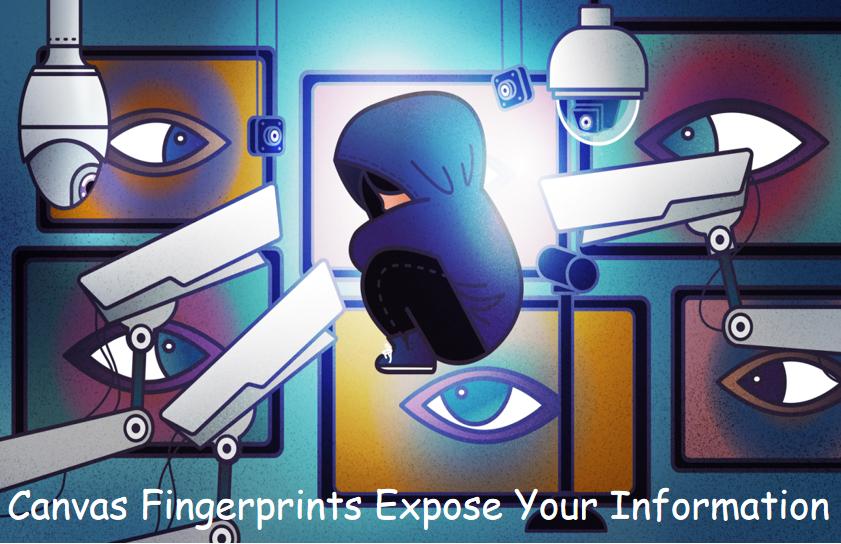
canvas fingerprints expose your information

Canvas Fingerprinting | How to hide it?

In this article you will learn:

  • What is browser fingerprinting?
  • Classification of browser fingerprinting
  • What is Canvas fingerprinting?
  • How does Canvas Fingerprintingtrack your information?
  • What is Canvas fingerprinting used for?
  • How to hide your Canvas fingerprint?


About Browser fingerprinting

What is browser fingerprinting?

Browser fingerprinting is a powerful monitoring tool that collects parameters about browser version and type, operating system, language, time zone, screen resolution, browser plug-ins, and more. Websites rely on these parameters to identify users and track their specific behavior.canvas fingerprinting

Classification of browser fingerprinting

1) Equipment related information

The fingerprint associated with the device is mainly the exposure of some hardware condition. Your online actions are combined with device information to accurately judge your information. The equipment information mainly includes:

Hardware type, OPERATING system, user agent, system font, language, screen resolution, and Canvas fingerprint, AudioContext fingerprint, WebGL fingerprint, media device fingerprint, GPU plug-in, Pepper 3D rendering, etc.

2) Browser-related information

Including Cookie, Session, Evercookie, Flash Cookies, Browser extensions, Browser Settings (do-not-track, etc.), time zone Offset (Browser GMT Offset), Browser plug-in (Flash), and much other information.


Canvas fingerprinting technology

What is Canvas fingerprinting?

With the development of the Internet, users have higher requirements for the vision and interaction of pages, and traditional Web front-end development cannot be satisfied. Therefore, the powerful drawing ability of Canvas can make the content displayed on web pages more colorful, and Canvas can bring users a better visual and interactive experience.

Generally speaking, each browser uses a different image processing engine, different export options, and different compression levels, so each computer will produce slightly different graphics that can be used to assign specific numbers to the user’s device, meaning that they can be used to identify different users. This is Canvas fingerprinting.

How does Canvas Fingerprinting track your information?

Canvas fingerprinting begins when a Web site provides the browser with the task of drawing a canvas object. Canvas objects are tools that websites use to create simple and complex graphics.

The site uses Javascript to enable browsers to draw images in canvas objects using predefined scripts. This image can contain complex elements such as lines, colors, geometric shapes, with different backgrounds, or distorted in different ways.

What you need to know is that different computers will draw the image in slightly different ways. Even if the resulting image looks the same as the human eye, with slight variations, they can be distinguished.

It’s worth mentioning hash functions at this point.

A Hash algorithm, also known as a Hash algorithm, converts a piece of data into a flag that has a very tight relationship to each byte of the source data.

A remarkable feature of Hash algorithms is the difficulty of finding reverse patterns. It is a generalized algorithm, which can also be regarded as an idea. The Hash algorithm can improve the utilization of storage space, improve the query efficiency of data, and ensure the security of data transmission by digital signature. Therefore, the Hash algorithm is widely used in Internet applications.

One reason Hash algorithms are used for canvas fingerprints is that they always produce the same result if the input remains constant. Two pieces of information that look exactly the same to the naked eye can be completely different if they change slightly. Even the tiniest, tiniest differences can make a big difference.

What is Canvas fingerprinting used for?

Personalized advertising may not sound like a terrible thing, but it is not. Browser fingerprinting is often a threat to online privacy. Canvas fingerprints are also an accomplice.

Almost every website that implements browser fingerprinting does so without asking users’ consent, or in a very misleading way.

You may not remember a site that asked for permission to track your information. There is any notice, usually hidden in the site’s terms of service, in the smallest font you can imagine. Usually, it goes something like this: “By using our website, you agree that we will save your machine’s digital signature.”

Don’t worry, most users have no idea what this means any more than you do. Because it doesn’t offer any real explanation of what might happen, few people manage to see it.canvas fingerprints expose your information

Canvas fingerprint leaks can expose you to a lot of information, and then you can be hacked or harassed by targeted ads on a regular basis, as well as some not-so-obvious downsides.

How to detect Canvas fingerprint?

On-line inspection address: https://browserleaks.com/canvas


How to hide your Canvas fingerprint?

Canvas fingerprint is a new intrusion technology. Before Canvas fingerprint, cookies and cache are a big hidden danger to the security of personal privacy information. But as time went by, many computer literate users tried to prevent the intrusion by deleting files on their local computers where cookies had been found to reside.

Compared to this amount of work, avoiding canvas fingerprints may require more time and effort. Here are a few possible solutions.

1) Close ads

Will closing ads solve the canvas fingerprint problem?

Of course not. But it doesn’t really cost you anything, does it?

You know, when your computer pops up some targeted AD, and you do something to let the web detect that you’re interested in it, then it keeps popping up. If you choose to turn off those ads and deny access to any of them, you’re shutting off a channel for the Internet to spy on your mind.

While this isn’t a complete solution to the Canvas fingerprint problem, it’s safer than not doing it at all.

2) Use stealth mode

As you probably know, using incognito mode prevents some cookies from being generated. Does it also work with canvas fingerprints?

This only works if some browsers have incognito modes that block website tracking. Normal browsers can only block caching and cookies, but canvas fingerprints are useless.

Browsers that can defend against canvas fingerprints use proxy networks to encrypt data. When you send a browsing request to the agent, the agent acts as a middleman to submit the request to the site for you. The website sees the proxy network. Just like when we go to an agent to buy something, the buyer and the seller don’t meet directly.

The website doesn’t know who made the request, so it can’t do anything with your Canvas fingerprint.

3) Use plug-ins

As canvas fingerprints become more and more of a concern for users, some browser-compatible plugins are coming out.

Do you know Canvas Defender? It chooses to use interference to influence the website’s judgment of canvas fingerprint. There are plenty of canvas Defender plugins out there, check them out in stores!

Check the reviews to see if they work before you download them.

4) Use ClonBrowser

Don’t you know ClonBrowser yet? If you don’t already know the browser, that’s a shame.

ClonBrowser is a versatile virtual browser.ClonBrowser

First of all, it will help you solve the problem of Canvas fingerprinting because it is a browser that takes your privacy very seriously. Both your cookies and your cache are kept separately. None of your fingerprints are available to the outside world because ClonBrowser provides a fake mask fingerprint when the outside world wants to invade your privacy.

Of course, ClonBrowser also integrates with a number of well-known agents, such as 911, which you can fully enjoy here.

Second, ClonBrowser is also a virtual browser that lets you configure multiple profiles. With virtual technology, ClonBrowser can simulate countless unique computers for you! When you want to manage them, you can also manage them cooperatively with powerful team-sharing capabilities.

Finally, ClonBrowser has an excellent free trial program and is always available to your customer service team. These resources can provide the most powerful support for your social marketing and business journey!

What are you waiting for? Try it and you won’t regret it!

canvas defender

Does Canvas Defender Work? The Alternative is?

In some services, it is necessary to obtain basic information of anonymous users to analyze user behaviors and then make targeted recommendations for certain user groups. This is where the Canvas fingerprint comes in.

Looking for a way to block canvas fingerprints? Trying to learn more about Canvas Defender? Then this article is for you.

In this article you will see:

  • What is canvas fingerprint
  • Why are Canvas fingerprints here
  • What harm can canvas fingerprints do to me
  • What is Canvas Defender? Does it work?
  • The best alternative to Canvas Defender!


What is a Canvas fingerprint?

Every kind of browser use different image processing engine, different export option, different compression levels so that every computer draw graphics will be slightly different, these patterns can be used to assign user equipment a specific number (fingerprint), that is to say, can be used to identify different users, users won’t generally to replace hardware.

Therefore, Canvas can well specify the browser of the current user, but it is especially easy to generate the same fingerprint when multiple users have the same hardware device and browser. Therefore, canvas fingerprint cannot completely replace cookies as user identity authentication but can be used as auxiliary authentication information.canvas fingerprint

Why need to use canvas fingerprint?

In general, websites or advertising alliances want a technical way to accurately target each individual on the network. In this way, they can collect the data of these individuals and push advertisements (precision marketing) or other targeted activities more accurately through analysis. Cookie technology is a very popular one.

When a user visits a website, the site can permanently plant a unique identifier (UUID) in the user’s current browser Cookie and use this information to associate all of the user’s actions. These behaviors can be:

  • What pages did you browse?
  • What keywords are searched?
  • What are you interested in?
  • Which buttons were pressed?
  • What features are used?
  • What products did you see?
  • What goes into the shopping cart

And so on.

As Internet users attach more importance to personal privacy, cookies are becoming less and less popular. Many security tools and even browsers are starting to allow or instruct users to turn cookies off. For example, many major browsers have a “private browsing mode” feature. This makes it harder for websites to track user behavior. However, there are still some ways for websites to track the behavior of each visitor, for example, flash cookies can also achieve the purpose of unique identification and tracking.

As HTML5 matures, identifying a unique browser via Canvas Fingerprinting is becoming more accepted. The feature of it is that users can hardly block it without cookies.

This tracking technology can track the unique feature code of the device through dynamic drawing parameters in HTML 5 and JavaScript without the permission of the user. It does not need to carry any token or accept cookies, and it can be tracked even if the IP address is changed. Therefore, it is considered to be unable to completely resist the tracking technology at the present stage.

How can Canvas fingerprints harm you?

1) Disclosure of personal privacy

Your washing machine is broken and you bought a new one online yesterday, right?

Did you play tower defense last night? Staying late?

Don’t look around, I’m not lurking, but I am. As soon as you log into the network using your device, I can see what you’re doing with that device.

Yes, I am a browser fingerprint. Canvas prints.

As mentioned before, some advertisers need the help of Canvas fingerprint to accurately find the best potential consumer groups. Your browsing behavior will be unique under Canvas fingerprint technology. While this may make ads and feeds more refined and easier for some, it also leaves users with no privacy at all.

2) Induce fraud

This point is based on the user privacy exposure caused by criminal acts.

When your browsing tendencies and browsing history are exposed to criminals, they can easily use these characteristics to determine your preferences and send you highly matched false messages. When this information gets your attention, fraud is easy to occur.

3) Impeding business activities

Why would Canvas fingerprints get in the way of business? Isn’t it just a threat to our privacy?

Yes, when Canvas fingerprints can tell you who you are, your business will be hindered a lot. Because it’s probably associated with the account.

What is account association? This rule generally applies to platforms that limit multiple accounts. Some platforms pay attention to the browsing environment and user experience and are very opposed to a user to achieve their own business marketing purposes to create and manage multiple accounts. In order to control this phenomenon, the platform tries to determine whether an account is connected or not.

When many different accounts have very similar operation behaviors, the platform will judge that there is a connection, leading to the closure of the account.

Canvas fingerprints can distinguish individual characteristics, thus playing an irreplaceable role.


What is Canvas Defender

Canvas Defender is a free add-on for Firefox and Chrome that manipulates Canvas fingerprints to prevent Canvas fingerprints.canvas defender

Canvas fingerprints use the HTML5 Canvas element. The Canvas element is used to draw graphics on Web pages and is supported by all major Web browsers.

Fingerprints take advantage of the fact that the output of a canvas is often different when rendered in different browsers. This is not always the case, which is why Canvas fingerprinting is often used in conjunction with other tracing methods.

In general, the more unique the browser and operating system, the more unique the fingerprint.

Canvas Defender is available on all browsers and platforms (Windows, Linux, and Mac).

How does Canvas Defender work?

Internet users have two options when it comes to blocking fingerprinting. Add-ons may block the Canvas element in the browser entirely or provide whitelisting/blacklisting methods. Since Canvas requires JavaScript, turning it off will also block it, but this is usually not feasible.

Canvas Defender changes its “real” Canvas fingerprint by adding interference to the browser.

Unlike other add-ins created for this purpose, the browser extension does not completely block the Canvas element in the browser. Canvas is also used on legitimate sites, and blocking Canvas entirely may disable some or all of those sites’ functionality.

This extension adds ICONS to the browser’s main toolbar that you can interact with. Clicking will display the interference hash, along with the option to generate a new interference. You can also disable creation at any time using the menu.

Does Canvas Defender work?

What’s the response to Canvas Defender’s launch? Does Canvas Defender work? Does it really deliver what it promises?

Some users highly recommend using this product:

5 star! Works perfectly, tested using https://www.deviceinfo.me and it does in fact show “spoofed” instead of “blocked”.

Works as expected, easy to use: install and forget. Been using it for months, don’t plan to stop using it..

However, some users say Canvas Defender still has some problems.

Some websites just don’t work with this addon enabled. The notification is annoying and the reasons dev gives for keeping it that way are not justified.

While the idea is nice theoretically, practically this addon isn’t all that useful. Apps using canvas for legitimate reasons (i.e. WhatsApp web file upload, draw.io file export) will often have coloured tint (or sometimes it will just break the app completely) on them, which not only affects the web experience, but will also make you trackable. The addon does have a white-list function, but I haven’t been able to get it to work. There’s also an annoying notification that pops up on every webpage that tries to read your canvas hash and you can’t actually disable it.


The best alternative to Canvas Defender!

There are alternatives to using Canvas Defender for fingerprint protection, such as a plugin or a browser with special features.

Canvas Blocker for Google Chrome and CanvasFingerprintBlock are designed to block web pages from tracking fingerprints, so if you’re not too security-sensitive, you can try them out.

If you use a privacy-protected browser, your canvas fingerprint problem can be solved easily.

ClonBrowser is a virtual browser with high privacy protection. In ClonBrowser, your real browser fingerprints are not retrieved, they are retrieved as a fake mask fingerprint. With measures like Canvas Spoofing, you don’t have to worry about fingerprints anymore!ClonBrowser

In addition, your personal data, such as cookies, will also be kept independently.

Come and try it for free!

WebGL vs Canvas | How do they relate to Fingerprints?

Do you know what is WebGL? What is canvas? What do they have to do with browser fingerprints? If you don’t know about them, read on!


What is a canvas?

Canvas is a label of HTML5. Canvas can use JavaScript to draw images on web pages and manipulate image content.

It’s basically a bitmap that can be manipulated in JavaScript.

Canvas object represents an HTML Canvas element -< Canvas >. It does not have its own behavior but defines an API to support scripted client-side drawing operations.

  • What is HTML?

HTML, called hypertext Markup Language (HTML), is an identifier language. It includes a series of tags. These tags unify the format of documents on the network and connect scattered Internet resources into a logical whole. HTML text is a descriptive text composed of HTML commands that describe text, graphics, animations, sounds, tables, links, etc. The web pages we browse are written in HTML.what are they

The history of the Canvas

This HTML element is designed for client-side vector graphics. It has no behavior of its own, but it presents a drawing API to the client JavaScript so that the script can draw whatever it wants to draw onto a canvas.

The reason for this radical extension to HTML is that HTML’s drawing capabilities in Safari are also used by the Dashboard component on the Mac OS X desktop, and Apple wanted a way to support scripted graphics in Dashboard.

Firefox 1.5 and Opera 9 have followed Safari’s lead. Both browsers support the

We can even use the < Canvas > tag in IE and build compatible canvases with open-source JavaScript code (initiated by Google) based on IE’s VML support.

Efforts to standardize < Canvas > are being advanced by an informal association of Web browser vendors, and < Canvas > has become an official tag in the HTML 5 draft.

Canvas and browser fingerprints

What does Canvas have to do with browser fingerprints?

Using the same HTML Canvas element for drawing operations, Canvas will produce different picture contents on different operating systems and browsers, which can be used to identify and distinguish users. This may be because:

1) In the image format, different Web browsers use different graphics processing engines, different image export options, different default compression levels, etc.

2) At the pixel level, each operating system uses different Settings and algorithms for anti-aliasing and sub-pixel rendering operations.

3) Even if the same drawing operation, the CRC test of the resulting picture data is not the same.


What is a WebGL?

Webgl is used to draw and render complex three-dimensional graphics (3D graphics) on web pages and allow users to interact with them.

WebGL (Full Write Web Graphics Library) is a 3D Graphics protocol that allows JavaScript to be combined with OpenGL ES 2.0. By adding a JavaScript binding to OpenGL ES 2.0, WebGL can provide hardware 3D accelerated rendering for HTML5 Canvas so that Web developers can use the system graphics card to display 3D scenes and models more smoothly in the browser. You can also create complex navigation and data visualizations. Obviously, the WebGL technology standard eliminates the need to develop web-specific rendering plugins that can be used to create web pages with complex 3D structures, even to design 3D web games, and so on.

Traditionally, to display three-dimensional graphics, developers have developed a stand-alone application using C or C ++ with a dedicated computer graphics library, such as OpenGL or Direct3D. Now with WebGL, we just need to add some extra 3D graphics code to our already familiar HTML and javascript to display 3D graphics on a web page.

Webgl is embedded in the browser, you don’t have to install plug-ins and libraries to use it, and it’s browser-based, so you can run WebGL applications on multiple platforms.

  • What is the OpenGL?

OpenGL (Open Graphics Library) is a cross-language, cross-platform application programming interface (API) for rendering 2D and 3D vector graphics. This interface consists of nearly 350 different function calls to draw everything from simple graphics bits to complex 3d scenes.

The other programming interface system is Direct3D for Microsoft Windows only. OpenGL is commonly used in CAD, virtual reality, scientific visualization programs, and video game development.

The origin of the Webgl

The two most widely used 3d graphics rendering technologies on personal computers are Direct3D and OpenGL. Direct3D is part of Microsoft’s DirectX technology, which is a set of programming interfaces controlled by Microsoft and mainly used on the Windows platform. OpenGL is widely used on many platforms because of its openness and free.

Webgl is rooted in OpenGL, but it is actually derived from a special version of OpenGL, OpenGL ES.

OpenGL is the underlying driver-level graphics interface (which is directly related to the graphics card) similar to DirectX. But this kind of low-level OpenGL is beyond the reach of JavaScript that parasitized the browser. But in order to make the Web more graphics powerful, WebGL was introduced in 2010.

WebGL and browser fingerprints

Webgl has a similar relationship to the browser fingerprint as Canvas. Webgl is also a way to track browser fingerprints. Webgl surveys your device through images displayed by the browser.

fingerprint

WebGL vs Canvas

There is a conceptual difference

Canvas element is an HTML element, introduced in ITS HTML5. This allows its users to use JavaScript to draw on the screen and, therefore, dynamically generate graphics and animations on the client-side. You can think of it as a carrier, simply a blank sheet of paper.

In canvas, once the graph has been drawn, it doesn’t continue to get attention from the browser. If its position changes, the entire scene also needs to be redrawn, including any objects that may have been covered by the graph.

Canvas uses JavaScript to draw 2D graphics. Canvas is rendered pixel by pixel.

Canvas is a feature provided by HTML5, and Canvas 2D is equivalent to acquiring the built-in 2D graphic interface, namely 2D brush. Canvas 3D is a graphical interface based on WebGL, which is equivalent to a 3D brush. You can choose different brushes to paint on it.

WebGL is a non-standardized API and a 3D drawing protocol. Simply put, WebGL is a canvas-based rendering framework that can draw 2D and 3D images on Canvas. Allows you to use JavaScript for OpenGL functionality. 3D can be rendered using a browser.

Browser applicability differences

Canvas supports fewer browsers than WebGL.

Canvas is supported by Microsoft Edge, Chrome, IE, Safari, Konqueror, Opera, and Mozilla. WebGL, however, supports more types of browsers. In addition to the above browsers that support Canvas running, many mobile browsers also support WebGL running. For example, BlackBerry 10, Playbox, IE, Firefox Mobile, Firefox OS, Chrome, Maemo, Meego, MS Edge, Opera Mobile, Ubuntu, WebOS, iOS.

The same point

Both Canvas and WebGL can be used to identify browser fingerprints. By hashing the image data, a computer program can recognize subtle differences in the results rendered by different hardware devices.

However, if the user’s device, operating system, and browser are all the same, the calculated fingerprint will be the same. Therefore, it needs to be combined with other browser fingerprints to further compute a more differentiated fingerprint identifier.

How can browser fingerprints hurt you? It tells the Internet who you are. You think that no one knows what you do on the Internet, that everything is gone. Browser fingerprints have already given you away.

To prevent Canvas and WebGL fingerprints, I think you need ClonBrowser!

ClonBrowser is an excellent virtual privacy browser. It gives you control over your own parameters. These include UserAgent, HTTP Headers, Plugins, MymeTypes, WebGL, and Geopositio. Make your fingerprints completely independent with these Settings. Also, if a website tries to capture your fingerprint, ClonBrowser will use the mask fingerprint to prevent that from happening. You can trust it when it comes to preventing fingerprints from being taken!ClonBrowser

In addition, ClonBrowser allows you to create and share countless configuration files, making multi-account management less of a hassle for you! Want that efficiency and safety? Start your free trial now!

Firewall

The most comprehensive solution for protecting IP addresses!

Do you really know IP addresses? Do you protect your IP address in the right way? If you care about IP addresses and want to put IP address protection into practice, this article is for you! Because it is a very comprehensive article!

In this article, you can see:

  • What is an IP address?
  • Why are IP addresses created?
  • How do I find my IP address?
  • Why do I need to change my IP address?
  • What are the ways to change an IP address?
  • What browsers can change IP addresses?


Everything you need to know about IP addressesip address

What is the IP address?

The entire Internet is a single, abstract network. An IP address assigns a unique identifier worldwide to each interface of every host (or router) on the Internet.

IP addresses are used to number computers on the Internet. What you see on a daily basis is that every NETWORKED PC needs an IP address in order to communicate properly. We can compare “personal computer” to “a telephone”, so “IP address” is equivalent to “telephone number”, and the Internet router, is equivalent to the telecommunications office “programmed switch”.

The first IP address to appear was IPV4, which had only four digits, each of which could not exceed 255. Today’s IP address is a 32-bit binary number, usually divided into four “8-bit binary numbers” (that is, four bytes).

Why are IP addresses created?

IP protocol is a protocol that was born for computer networks to communicate with each other.

In order for all computers connected to the network to be able to connect to the Internet and communicate, a rule needs to be created. The IP protocol prescribes the rules that computers should follow when communicating on the Internet.

Before IP addresses, there were all kinds of networks around the world. They use different hardware addresses. To make these heterogeneous networks communicate with each other, it is necessary to carry out very complicated hardware address transformation, which brings great pressure to users and user hosts. The advent of IP addresses provides logic for disordered networks.

How do I find my IP address?

Now that you know that the IP address represents your host, are you wondering what your own IP address is? You can inquire by yourself completely!

The first method is to query through a browser. All you have to do is open any browser on your computer, type “What is my IP address” into the input box, and click Search. The corresponding number will appear in the search results, which is your IP address.

The second method is to view the IP address directly on your own device. Generally speaking, when your device is connected to the network, the IP address of the network is recorded in your device. All you need to do is click on the network you are currently selecting from the network connection and the IP address details will appear.

The third method is to query through a CMD window. This method can query not only your OWN IP address but also the IP address of a website. To query your IP address, open a command prompt window on your computer, type ipconfig/all, and press Enter. To query the IP address of a website, enter ping+ URL and press Enter.


Why do I need to change the IP address

Breaking the Internet blockade

“This content is not allowed in your country”.

Here’s what you might encounter when browsing in the game store. You may not be able to watch the news and variety shows you want when you travel abroad because of a similar situation.

Why is that?

This is because there is an Internet blackout in your area, or there are restrictions on access to the network you want to access. Some countries and regions restrict the Internet. When you use an IP address that doesn’t belong to the region, it’s natural to be denied access.Breaking the Internet blockade

Perform multiple account activities

Are you a multi-account owner?

You have multiple accounts on Facebook. Are they different? Do you do marketing on Instagram? Or, do you run multiple stores on Amazon?

If so, it’s important for you to change your IP address! Because many platforms don’t allow you to manage many accounts at once!

Take Amazon. Amazon is an online shopping platform used by people all over the world. Because of its huge number of users and commodities, the management of commodities is very strict. One such ban is for one person to operate multiple Amazon accounts.

This is to prevent the occurrence of malicious brushing and the display of a large number of duplicate goods.

To combat multiple accounts, Amazon is constantly checking if you’re managing multiple accounts at the same time. If you have multiple stores with the same IP address, it’s easy for the platform to know that they all belong to you. As a result, several of your stores are closed and your savings in the stores cannot be withdrawn.

It’s important to change your IP address in order to avoid being targeted by the platform.

For the sake of safety

Whether you want to protect your personal security or your corporate activities, you need to change your IP address.

For individuals, the exposure of an IP address means that you are revealing your geographical location. Each IP address you use comes from a pool of local IP addresses, which are geotagged and can be tracked. In the long run, the result is that your behavior path is clearly discerned.

Some people say that I can use a privacy browser to prevent the Internet from tracking me! But does it really work?

For companies, IP addresses are a potential source of trade secrets. Many hackers attack from IP addresses.

So, you’re not going to change your IP address yet?


How can I change and protect my IP address?

Before preventing the outside world from prying your IP address, you should protect your existing IP address first, because the phenomenon of IP theft also does not allow to be ignored, once happened can cause a lot of trouble, you cannot continue to get online, and may even be involved in legal disputes! Want to know why? Click here for details!

Now that you know how to protect your local IP, let’s take a look at how to protect your IP address from exposure!

1) Use a firewallFirewall

Install firewall and antivirus software and keep it up to date.

Security software can not only protect IP addresses from theft but also warn of any phishing and espionage activities on the device. In this way, users can keep track of any suspicious activity.

2) Manually change your IP address

If you already have an available IP address, you can change it yourself in your network connection settings. Still can’t figure out how to set them? Click here to check it out!

3) Use a public network

Using a public network is definitely an easy way! Don’t use the Internet in your own private places, and use it in public places to completely obscure who you are!

4) Restart the router

If you just want to get a different IP address than before, rebooting the router is also a good idea.

Because the average user uses a dynamic IP address, when you go offline, that IP address is used by someone else. When you connect to the network again, the provider will give you a new IP address.

Either way, rebooting your router won’t help you get out of the trap.

5) Use a VPN

VPN uses encryption technology to encapsulate a data communication tunnel on the public network.

To ensure data security, the communication data between the VPN server and the client is encrypted. With data encryption, it can be considered that data is securely transmitted on a dedicated data link, just as a dedicated network is set up. But VPNs actually use public links over the Internet.

Want to know how VPN changes and protects your IP address? Click here!

6) Use proxy

Proxy is a lot like a real-life proxy service provider.

The Proxy is between the client and the server. For the server, the Proxy is the client. The Proxy makes requests and the server responds. To the client, a Proxy is a server that accepts requests from the client and forwards data from the server to the client.

Since the proxy is a middleman, the network can’t directly get your IP address, it gets the information that the proxy provides to it.

Want to learn more about the relationship between proxy and IP? Click here!

7) Use a browser with Change your IP address

Some browsers take user IP address protection seriously, such as using a distributed Network to hide your IP address, or integrating with proxies so you can protect your own IP address.

As a virtual privacy browser, ClonBrowser has always put user security in the first place. ClonBrowser integrates with existing popular agents, whether it is 911 or Luminati, or any other agent (Oxylabs, Socks, etc.), you can use it in ClonBrowser!ClonBrowser

In addition, ClonBrowser also protects your real fingerprint from being captured, while allowing you to configure and share countless configuration files! This is the best way to manage multiple accounts while protecting your privacy!

You don’t have to worry about technical problems with ClonBrowser, which has friendly customer service.

Start your free trial now!
ip address

What can you do to Protect IP Address?

Are you curious about the IP address? Can you accept the fact that your IP address is being used by others? Or, do you mind having your IP information accessed by the whole world?

After the Internet became an essential part of every household, the IP address became your virtual address. Your request starts at this address, and the Internet sends you messages back to this address.

So, are you worried about your address being exposed?

If you’re looking for ways to protect your IP address, you probably want to know what’s going on with your IP address so you can figure out the best way to protect it.

In this article, you will learn:

  • What is an IP address?
  • Why should I protect IP addresses (what happened to your IP address)?
  • How can I protect my IP address?
  • Is there any browser that can protect my IP address?

ip address

What is an IP address?

An IP address represents an Internet protocol address, a unique combination of numbers used to identify routers, computers, or other devices and to allow them to communicate over the Internet. Just as your E-mail address allows others to send an e-mail to you, remote computers need your IP address to communicate with your computer.

The IP address is usually shown as follows: An IP address is a sequence of four numeric blocks. Each of these blocks has a distance between 0 and 255, which means that each block has 256 possible values. This digital IP system allows about 40 unique IP addresses. Looking up someone’s IP address is relatively easy. Site analytics can track site visitors, and sometimes Wiki comment boards use their IP addresses to identify contributors. Your Internet Service provider (ISP) also knows your IP address.


Why need to protect your IP address?

IP theft infringes upon personal rights and interests

IP address theft is a common occurrence in Internet life. If your IP address is stolen by someone else, it can affect your use at best and lead to legal disputes at worst. So it’s important to protect your IP address. Because it protects your use rights and your legal rights.

  • Protecting your IP address is protecting your rights of use.

In the era of IPV4, IP addresses are a scarce resource, which gives rise to the practice of IP address theft.

In the IPV6 era, the number of IPV6 addresses has increased a lot, which will not be exhausted according to the current capacity of the earth. However, for some networks that charge traffic by IP address, IP addresses are still scarce, and IP address theft still needs to be prevented. Because if your IP address gets stolen, you can’t get online.

  • Protecting your IP address is protecting your legal rights.

Some cybercriminals use your IP address to download pirated goods, such as music and videos, or even child pornography, to protect their real identities from law enforcement.

Yet downloading pirated content is a criminal offense in many countries.

IP leaks threaten personal privacy

IP addresses symbolize positioning. When your phone, tablet, or other device is connected to the Internet, it is associated with an IP address, and these IP addresses often represent a geographical location or range.

Let’s say you use different IP addresses at home, at work, and at the mall, and these locations are your daily routes. Regular use of these three IP addresses over a long period of time will allow the Internet to create a “memory” of you, and this information can be combined to produce a rough guess about your financial ability and movement path.location

IP addresses expose trade secrets

How many clients made a deal with you yesterday? What’s your most recent revenue estimate?

Do you think this information is just for you? No! Stealing or attacking IP addresses is a very handy weapon if someone wants to gain it maliciously! It is well known that attacking IP addresses is one of the methods of illegal attacks between countries, but it is also used by companies. There are already many companies that have suffered huge economic losses due to IP attacks.

 

How to protect your IP address?

Methods to prevent IP theft

1) Disable the network connection service

If users are restricted to modify TCP/IP parameters, they cannot use the new IP address even if they change the IP address, thus losing the meaning of IP theft.

The most direct way to successfully prevent users from changing TCP/IP parameters is to prevent users from opening the TCP/IP parameter setting window. You can do this by disabling the “Network Connections” service on your system and hiding the TCP/IP Settings window so that users cannot access the Settings window and use the new IP address.

Of course, the use of Internet connection service deactivation to protect IP addresses makes normal Internet access difficult. After all, the Internet connection service has been disabled, so any access to the network will be terminated. If you want to protect your IP address without affecting your Internet access, try following the same steps to disable your “Plugandplay” service. This hides the TCP/IP Settings window without affecting your Internet access.

2) Restrict access/modification to the network

If the management rights of common users are directly restricted, they are not allowed to open the TCP/IP parameter setting window, then common users are not allowed to change their IP addresses.

3) Hide the local area connection icon

In general, when changing the COMPUTER IP address, you need to find the local connection icon of the system, right-click the icon, and then run the Properties command in the displayed menu to go to the TCP/IP parameter setting window. There is also no way for ordinary users to open the TCP/IP Settings window and change the IP address if you hide the local connection icon beforehand.

4) Bind the IP address and MAC address

The network card in use there are two types of address, one is familiar with the IP address, the other is the MAC address, that is, the physical address of the network card, also known as the hardware address or link address, which is the only identification of the network card itself, as if it is our identity card, generally can not be changed at will. It has nothing to do with the network, and the MAC address remains the same no matter where the card is connected to the network.

Methods to prevent IP address leak

1) Use a public network

A simple way to protect your IP address is to use the Internet far from where you live. A public network would be a very good choice. That way, even if someone is stalking you, all he gets is a public place and no further attacks.

2) Turn off the router

Turn off your router, restart it, and maybe you’ll get a different IP address!

Note, however, that the different IP address is only selected from the IP address pool in a certain area. Although it is not the same as before, there are still many connections between them.

3)  VPN

VPNs are a good way to hide IP addresses.

When you connect a computer (or other devices, such as a smartphone or tablet) to a VPN, all network traffic is sent over a secure connection to the VPN, and the process is all encrypted.

However, VPNs are expensive and can be a burden for individual users with less money. VPNs are better suited to businesses or corporate teams that are financially sound.

4) Proxy

A proxy server is an intermediate server through which traffic can be routed. The Internet server you access sees only the PROXY server’s IP address, not yours. When these servers send information back to you, it goes to the proxy server, which then routes it to you.

5) Use a firewall

Firewalls protect IP addresses from attacks by protecting against Trojan horses and viruses to some extent. A firewall

It can be used to separate the internal network from the external network, and if you are worried about your information security, it is also a good idea to add a trusted firewall.

6) Use a special browser

Some browsers on the market today have powerful protection features, even integrating with proxies to protect your IP address. Such browsers are generally based on the use of virtual technology to protect user privacy.


ClonBrowserClonBrowser

ClonBrowser is a very powerful virtual browser. Whether it is powerful agent integration services or superb anti-fingerprint technology, can protect your privacy!

ClonBrowser supports HTTP, HTTPS, Socks5, ShadowSocks, and other proxy protocols. It also works with leading proxy software (Luminati, 911, etc.) to change your IP address.

ClonBrowser has excellent fingerprint protection, and any website that wants to take your browser’s fingerprint can only get a “mask fingerprint.” Also, ClonBrowser allows you to create and share multiple profiles, manage multiple accounts and work in teams!

Try it for free and protect your IP address!